Publications

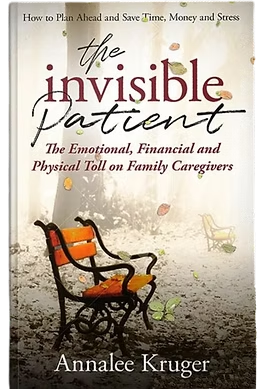
The Invisible Patient

Fulfilling the role of family caregiver is hard work, even if chosen willingly as an act of love to another. While the emotional, physical, and spiritual toll of caregiving is well documented, the high level of self-love and self-care required within the caregiver to successfully put the needs of others first without self-destructing, is not.

In The Invisible Patient, senior care consultant and caregiver advocate Annalee Kruger teaches caretakers how to appreciate the blessings of being a caregiver while also looking after themselves. It is not a luxury for caregivers to practice dedicated self-care — it is a necessity. Caregiving can be a positive experience for everyone IF there is an Aging Plan in place. The ability to be resilient, know and share boundaries, and say “no” are vital for both the well-being of the caregiver and the caregiver’s patients. The Invisible Patient provides inspiration, encouragement, and guidance for finding ease and help during the caregiving journey.
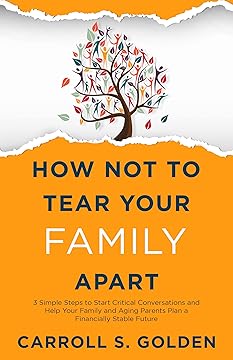
How Not To Tear Your Family Apart

Experience is an excellent teacher—but it can be a harsh master. We are living longer, and aging takes its toll on our ability to remain totally independent. No matter how you define “family,” you will find yourself in the role of caregiver, caring for a caregiver, or being cared for by a caregiver. Life doesn’t stop while you’re caught up in caring and juggling your own life. With no real training for this multi-faceted, multi-generational role, you must find a path that doesn’t destroy relationships or create financial havoc.

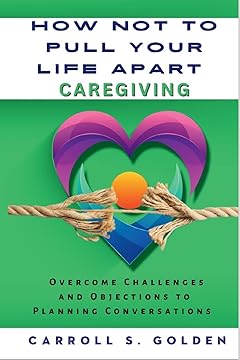
How Not to Pull Your Life Apart Caregiving

Caregiving is an unpredictable, jarring roller coaster ride. The current state of our national caregiving system is characterized by dysfunctionality, which has given rise to many of us serving, by choice or by necessity, as part of an alternate caregiving system/economy. Caregiving requires you to multitask and navigate an intricate path, often fraught with unforeseen challenges amplified by unanticipated encounters with friends and family. Trusting others, even family members, with your personal information is not easy. What if three steps could improve your ability to plan, avoid unnecessary family discord, improve affordability, and reduce stress? First, you need to overcome the natural resistance to plan for future care needs. This book is packed with compelling practical suggestions and captivating stories that will equip you to personally overcome challenges and objections to planning conversations and create a stable future. Plan, don’t Panic!

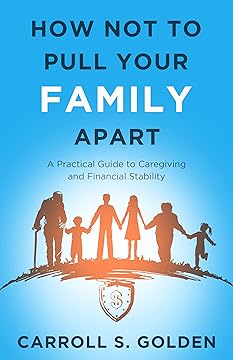
How Not To Pull Your Family Apart

Who’s going to be the physical, emotional, and financial caregiver in your family (no matter how you define family)? Few of us understand or are prepared for the breadth of lifestyle implications that come with that role. On the flip side, what if it’s you that needs care?

Meet the Jones family, a multigenerational example of how it all works in the real world. Follow Jodi and her family as they suddenly must deal with her parent’s extended care needs. Tension, guilt, and a lack of information start to impact Jodi’s health, happiness, job and family, relationships. Follow along as this multigenerational family uses my three-step process to create a Care Guide, a Care Squad, and a Care Planning Team. Learn how to establish a framework to start and continue conversations, minimize tension, and gain an overview of several planning options to fit almost any budget so you’re ready for tomorrow.

How Not To Pull Your Family Apart

Who’s going to be the physical, emotional, and financial caregiver in your family (no matter how you define family)? Few of us understand or are prepared for the breadth of lifestyle implications that come with that role. On the flip side, what if it’s you that needs care?

Meet the Jones family, a multigenerational example of how it all works in the real world. Follow Jodi and her family as they suddenly must deal with her parent’s extended care needs. Tension, guilt, and a lack of information start to impact Jodi’s health, happiness, job and family, relationships. Follow along as this multigenerational family uses my three-step process to create a Care Guide, a Care Squad, and a Care Planning Team. Learn how to establish a framework to start and continue conversations, minimize tension, and gain an overview of several planning options to fit almost any budget so you’re ready for tomorrow.

How Not To Pull Your Family Apart

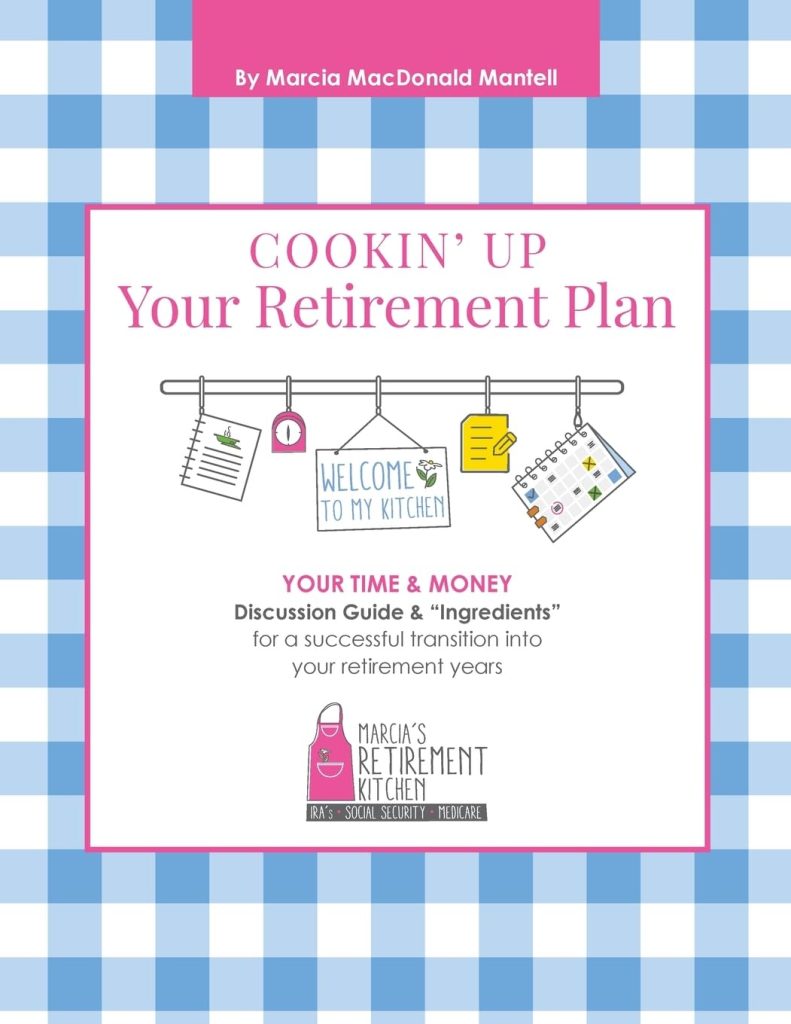
Life happens in the kitchen. Everything from making pot roast and planning parties to sharing secrets and sneaking snacks. So, there’s probably no better place to talk about your dreams and plans for retirement than at your own kitchen table.

You’ve got a three-decade era waiting just for you. You’ll finally have time to do what you’ve always wanted to do. And it’s up to you-or you and your spouse or partner – to figure out exactly what you want to do:

How will you fill your days when there is absolutely nothing on your schedule? What opportunities are out there for you and where do you find them?Is it possible to pay for 30 years of expenses when you’re not working?

If only you had a roadmap or a blueprint-a recipe-for planning this uncertain, unpredictable next era filled with time, space, and opportunity.

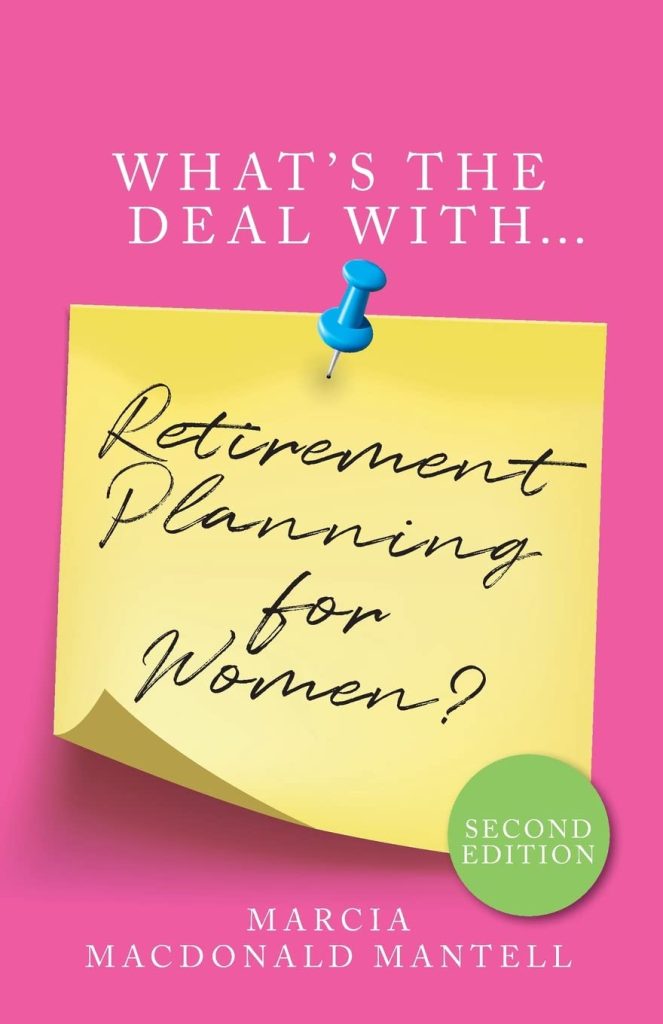
What’s the Deal with Retirement Planning for Women

What’s the Deal with Retirement Planning for Women? gives you the ingredients you need to confidently plan for your retirement. This new edition has been updated and expanded to guide you in your retirement planning today. It’s a non-traditional, fun-filled book that poses a baker’s dozen questions every woman needs to talk about with her spouse, partner, best friends, or trusted circle.

Get Your Ducks in a Row

f you’re over 55, you probably know you need an estate plan. What you might not know is how to create one. Questions about cost, confusion about options, and difficulty talking about subjects like disability and death can make the process of preparing for the future seem overwhelming. That’s probably why most people put it off—even though the results of doing nothing can sometimes be devastating.

What you need is a guide that explains the process clearly and comprehensively, in terms you can understand and actually use. Get Your Ducks in a Row: The Baby Boomers Guide to Estate Planning tells you everything you ever wanted (or perhaps never wanted) about estate planning.

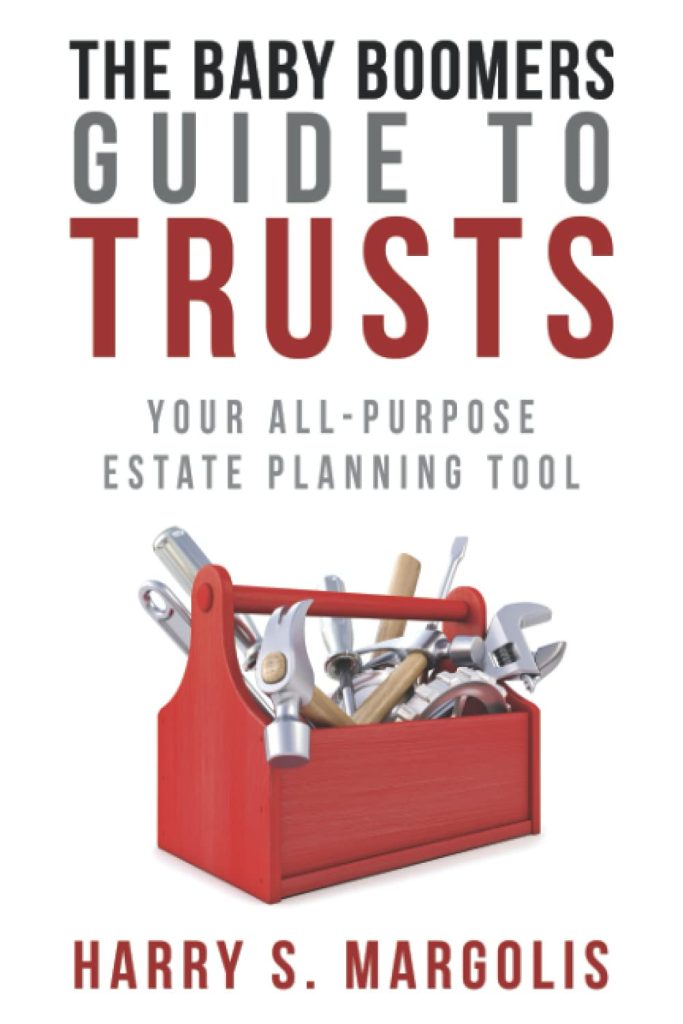
The Baby Boomers Guide to Trusts

The Baby Boomers Guide to Trusts: Your All-Purpose Estate Planning Tool by Harry S. Margolis explains how trusts work and why they are a powerful estate planning option. Written by an elder law and estate planning expert with more than 30 years of experience, the book helps readers—whether they are trust grantors, trustees, or beneficiaries—understand the practical side of managing and benefiting from a trust.

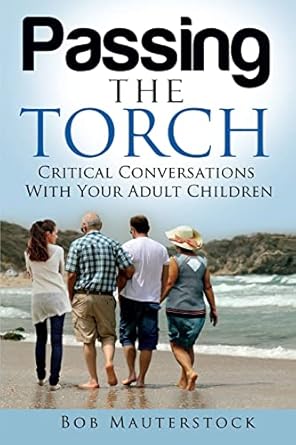
Passing the Torch

Passing the Torch is a comprehensive, practical guide that leads you through the process of getting your financial life in order and communicating your wishes, desires, and concerns to your adult children. It will give you the tools to develop a strong partnership with your children to make the critical decisions that will dramatically affect your life and their’s as you get older.

Talking to your adult children about all the issues that you will face as you age is often very difficult to do. The book lays out the steps to prepare and hold a family meeting to open up the lines of communication. It addresses such critical areas as legal issues that can impact the family, end of life planning, health care planning and passing on a legacy to the next generation.

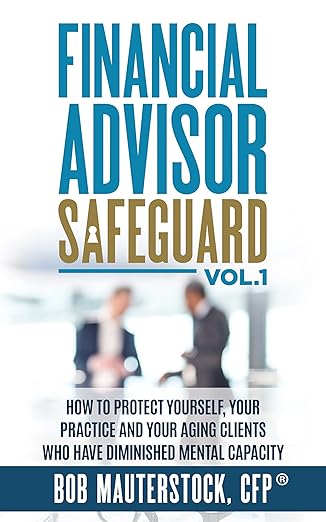
Financial Advisor Safeguard

You, as a financial advisor, are about to enter the perfect storm. Several factors are lining up to make the next ten years the most challenging years that you will ever face in your practice.

In 2009 Fidelity surveyed 350 advisors. More than 84% indicated that they had been touched by someone in their client base who suffers from Alzheimer’s Disease. Despite their experience with the disease, more than 96% of the advisors did not feel that they were prepared to assist clients with Alzheimer’s. And things have not changed since that survey. Very few firms have stepped forward with specific guidelines for their advisors to deal with diminished capacity.

You may have already had to deal with a client with diminished capacity. But most likely you do not have a standard protocol to deal with this client. As a result, you play it by ear. This is like holding a ticking time bomb. Sooner or later it is going to go off, and a client or client’s family will go after you for handling their account improperly.

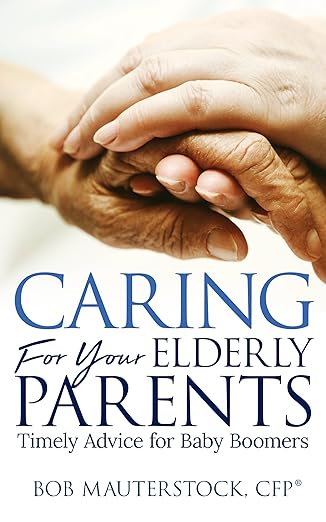
Caring for Your Elderly Parents

If you are facing the challenge of having to make decisions on issues like long-term care and end-of-life concerns for your elderly parents, you are not alone. Caring For Your Elderly Parents offers insightful advice and support to the ever-growing population of Americans, now at 65 million people, or 29% of the U.S. population, who provide care for a chronically ill, disabled, or aged family member or friend.

This resource covers how we can help our parents – and ultimately ourselves – plan for housing, healthcare, and financial security. The book covers pertinent issues facing baby boomers who can easily be overwhelmed by handing their aging loved one’s affairs.

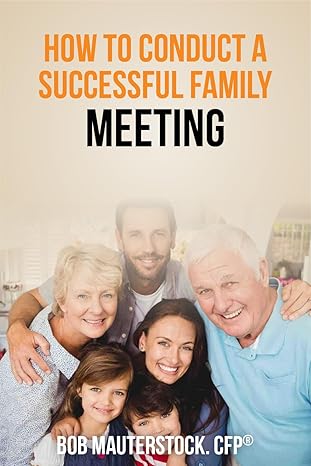
How To Conduct a Successful Family Meeting

How to Conduct a Successful Meeting is a complete guide to plan and run a meeting to discuss important issues facing the family as mom and dad age. Six steps are clearly outlined for the meeting.Such a meeting will foster open communication, effective planning, shared responsibilities, emotional support and respect for the wishes of the aging couple. A family meeting ensures that their voices are heard, and decisions are made with their best interest in mind.